Best Aluminum Mechanical Keyboard: Is the Q1 Max Right?

What is the best aluminum mechanical keyboard?
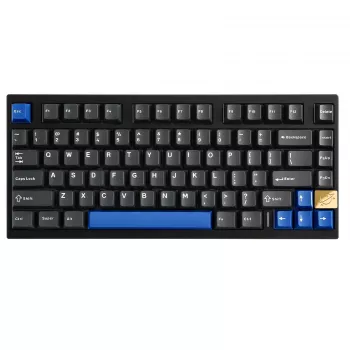
For a versatile aluminum mechanical keyboard, the Keychron Q1 Max is a strong all-around choice. Its compact 75% layout keeps the function row and arrow keys while taking up less desk space than a full-size board. It also offers wired, Bluetooth, and 2.4 GHz connections, making it suitable for workstations where you switch between devices or want a cable-free setup.
Why does the Keychron Q1 Max stand out?
The Q1 Max pairs a rigid aluminum case with a gasket-mounted design, which helps give typing a softer feel than a stiff, plate-mounted board. It supports QMK and VIA customization, so you can remap keys and set up shortcuts to suit your workflow. Different switch and keycap configurations may be available, so choose a setup that matches your preferred typing feel—or select a barebones version if you want to build it yourself.
Its main drawback is weight: an aluminum case feels sturdy on a desk, but it is less convenient to carry than a plastic keyboard. The 75% layout also omits the number pad, so consider a larger layout if you frequently enter numbers.
What should you look for in an aluminum keyboard?
Start with the layout you’ll use every day. A 65% board saves space while retaining arrow keys; a 75% layout adds a function row; and a full-size model keeps the number pad. Then compare connection options, hot-swap support, and software compatibility. Hot-swap sockets let you replace compatible switches without soldering, which is useful if you want to try different switch types later.
Don’t choose by case material alone. Aluminum adds rigidity and heft, but the plate, mounting style, switches, and keycaps also affect sound and typing feel. If you share a room or take calls nearby, prioritize quieter switches and consider dampening rather than assuming the metal case will make the board quiet.
Which aluminum keyboard should you choose?
Choose the Keychron Q1 Max if you want a customizable 75% keyboard with several connection options and a solid aluminum build. If portability or a number pad matters more, prioritize a lighter case or a full-size layout instead. For more buying guidance, visit our aluminum mechanical keyboard guide.
FAQ
Is an aluminum keyboard better than a plastic one?
Aluminum usually feels more rigid and substantial, while plastic is often lighter and easier to carry. Neither material guarantees better sound or typing comfort, so consider the keyboard’s overall design and your priorities.













Leave a comment